
Humanism
Nobel Prize in Physics Honours Patient, Shared Human Curiosity | Column
Column. The Nobel Prize in Physics rewards something humanists should cheer: patient curiosity. On 6 October, the Royal Swedish Academy of Sciences honoured Francis Halzen for his work on the IceCube Neutrino Observatory.
Halzen is 82. He was born in Belgium, became a US citizen and teaches at the University of Wisconsin–Madison. The citation praises his decisive contributions to IceCube and the discovery of high-energy neutrinos from beyond our galaxy. The prize is worth 12 million Swedish kronor, about €1.1 million.
Why the Nobel Prize in Physics matters to humanists
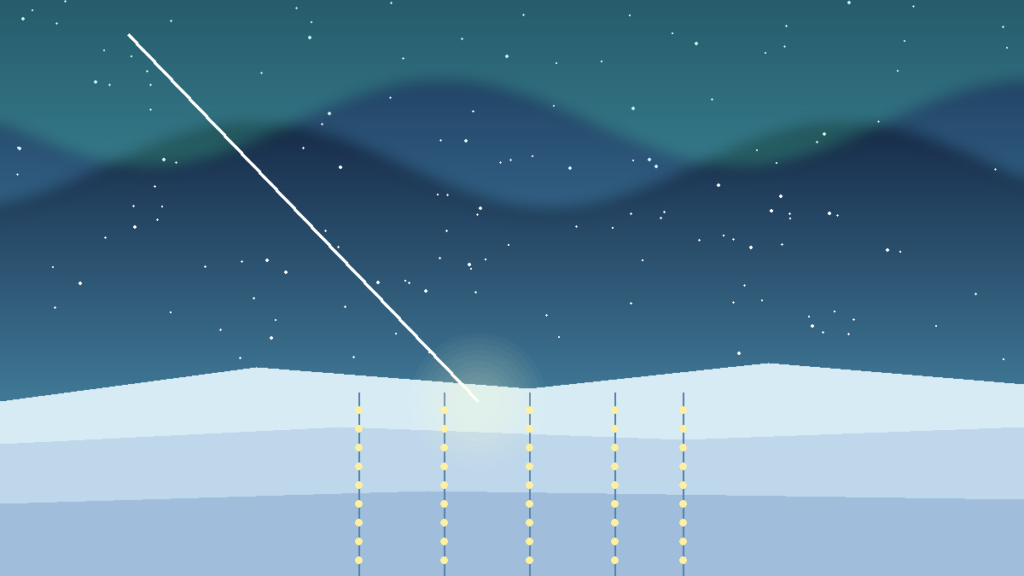
IceCube is a cubic kilometre of Antarctic ice fitted with light sensors. It sits at the South Pole and is the largest neutrino detector in the world. The idea dates to 1988. The detector was completed in 2011. That is more than two decades of work before the full instrument existed.
Neutrinos are ghostly particles that pass through almost everything. Ellen Moons, secretary general of the Academy, called this year’s prize a story about “ghostly messengers from space”. They carry information from violent cosmic events that light cannot always reveal.
Halzen called the award a great surprise. He also thanked the courageous colleagues who joined him on the project. That detail is the heart of the story. No single person drills through ice, builds sensors and reads the data alone.
This is humanism at work. It trusts evidence over authority. It values testing, error and correction. It also depends on cooperation across borders, languages and generations. Antarctica, after all, belongs to no nation.
Many creeds claim certainty about the cosmos. Science offers something humbler and stronger. It asks questions, builds tools and accepts what the data says. Sometimes the answer arrives after thirty years.
That is a lesson for public life, too. Good decisions often need slow, shared work. We argued the same in our column on measles vaccination in Bangladesh, where evidence saves children’s lives.
Fact basis: Euronews, 6 October 2026 and NPR, 6 October 2026. This article is an opinion column.