
Cryptocurrency
Bitcoin Extreme Fear Deepens as Hormuz Blockade Rattles Markets
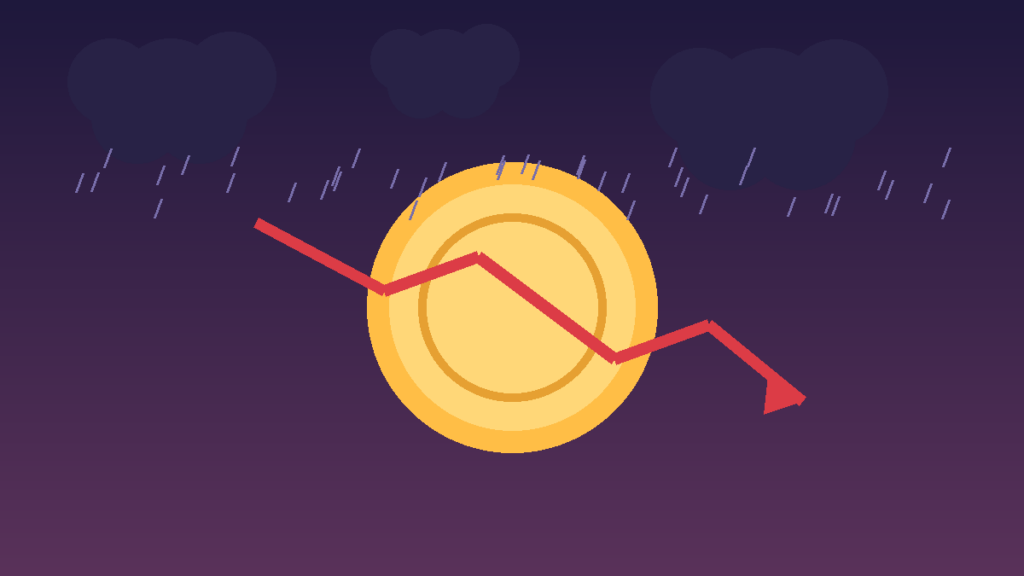
Bitcoin extreme fear is back on the dial. BTC traded near $62,475 on Tuesday, down about 2 percent over 24 hours, as sentiment gauges sank back into their lowest band. The trigger sits far from crypto: a reimposed naval blockade and a new 20 percent toll on shipping through the Strait of Hormuz.
The wider market followed. Total crypto capitalisation slipped 1.5 percent to around $2.23 trillion, with $68.5 billion in daily volume, according to market data from Coin Gabbar. Bitcoin’s market cap held near $1.25 trillion on $37 billion of turnover. Dominance stayed firm at 56.2 percent, with Ethereum at 9.65 percent. Altcoins bled harder than majors, as they usually do in fear phases.
Bitcoin extreme fear versus the ETF signal
The mood makes a sharp contrast with Monday’s data. US spot ETFs had just snapped a ten-day outflow streak with a $221 million haul, a shift we covered in our report on Bitcoin ETF inflows. One day of geopolitics erased that optimism. Institutional demand and retail sentiment are currently telling two different stories.
The macro chain is direct. A tolled, blockaded Hormuz means costlier oil. Costlier oil revives inflation expectations. Sticky inflation delays rate cuts, and risk assets reprice accordingly. Bitcoin has traded as a high-beta risk asset through this entire conflict, whatever the digital-gold thesis promises.
Yet the war has also cut both ways for crypto. Weekend sessions this month saw bitcoin act as the only open market during missile exchanges. Traders used it to hedge headlines when equities were shut. That dual identity, risk asset by day and crisis gauge by night, keeps volatility elevated in both directions.
Extreme fear readings have historically marked accumulation zones more often than exits. They have also preceded further legs down. Both things are true, which is precisely why the label is fear and not certainty.
Fact basis: Coin Gabbar market data and Fortune price coverage, July 13-14. This article is journalism, not investment advice. Cryptocurrency markets are volatile; never invest more than you can afford to lose.