
Bangladesh
Bangladesh Says Climate Finance Must Move From Promise to Delivery
|
Getting your Trinity Audio player ready...
|
Bangladesh has renewed its call for stronger global climate support, warning that promises alone will not protect vulnerable countries from floods, cyclones, river erosion and rising climate pressure.
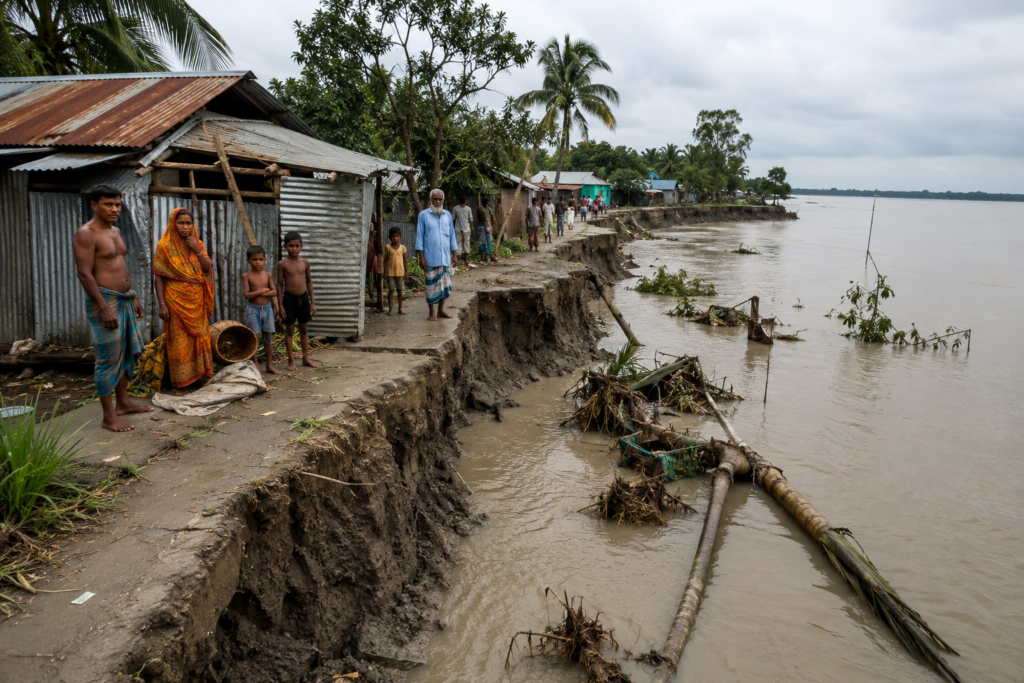
For Bangladesh, climate change is not a distant future problem. It is already part of daily life. Families lose homes to river erosion. Coastal communities face saltwater intrusion. Farmers struggle with unpredictable weather. Cyclones and floods damage roads, schools, crops and livelihoods.
That is why Bangladesh is asking wealthy nations to turn climate commitments into real support. The message is clear: vulnerable countries need faster funding, easier access to climate finance, technology support and predictable delivery — not complicated promises that arrive too late.
One of the biggest issues is the Loss and Damage Fund. This fund was created to help countries suffering from climate impacts they did very little to cause. But many developing nations remain concerned that climate finance is often slow, difficult to access and full of bureaucracy.
Bangladesh’s position reflects a wider frustration across the Global South. Many poorer and developing countries argue that they are paying the price for a crisis largely created by the industrial growth of richer economies. They are being asked to adapt, rebuild and protect people with limited resources, while the scale of climate damage keeps growing.
The global climate finance target of $300 billion per year by 2035 may sound large, but for climate-vulnerable countries, the real need is much bigger. Adaptation requires stronger embankments, cyclone shelters, clean water systems, resilient housing, early warning systems, better agriculture and faster disaster response. These are not luxury projects. They are survival infrastructure.
Bangladesh has already shown that climate resilience is possible when planning and investment work together. The country has developed disaster preparedness systems over many years and continues to focus on adaptation. But national effort alone cannot solve a global problem.
The climate debate is now also a debate about fairness. If rich countries expect vulnerable nations to protect their people, reduce emissions and develop sustainably, then climate finance must be real, timely and accessible.
For Bangladesh, the demand is not charity. It is responsibility.
Climate change does not respect borders. A cyclone in the Bay of Bengal, river erosion in rural Bangladesh or forced migration from coastal areas can create economic, social and humanitarian pressure far beyond one country. Helping vulnerable nations adapt is not only a moral duty; it is also a matter of global stability.
The coming climate summits will test whether world leaders are serious. Bangladesh’s warning is clear: climate promises must now become delivery. For millions of people living on the front line of climate change, delay is not just a policy failure. It is a threat to home, work, food, safety and dignity.