
Bangladesh
Bangladesh Flood Recovery Falters as Three More Children Die and the Crops Drown
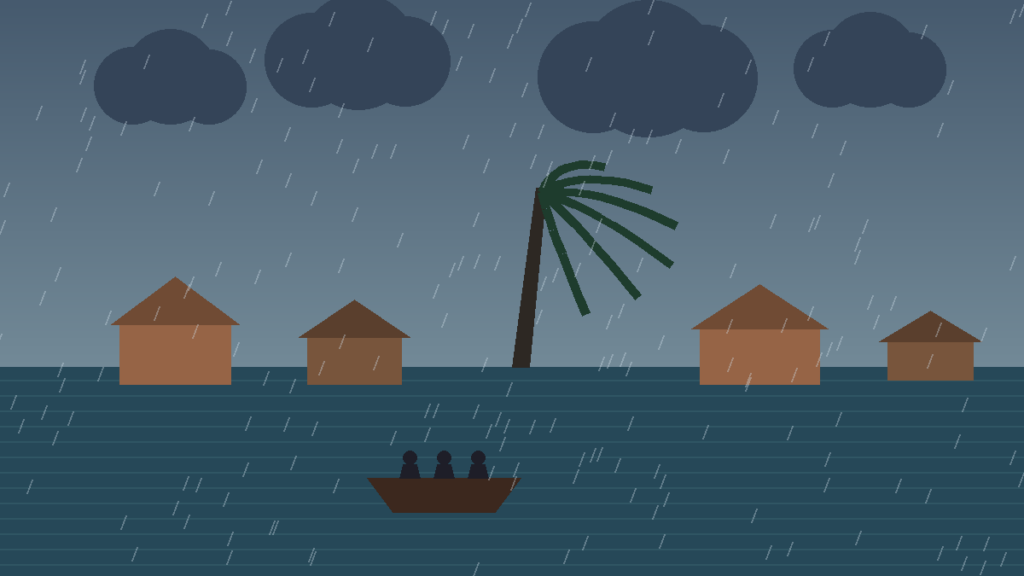
Bangladesh flood recovery was supposed to begin this weekend. Instead, the rain returned. Three more children died in Chattogram and Cox’s Bazar as fresh downpours battered a region already mourning at least 44 dead. Over a million people remain stranded across seven southeastern districts.
The numbers behind the disaster are staggering. Three days of rainfall dumped 815 millimetres on Chattogram and 330 millimetres on Cox’s Bazar. Nearly 268,000 households were cut off. More than 1,000 emergency shelters are now open across the region. Power cuts, broken roads and downed communication lines continue to slow relief work.
Bangladesh flood recovery now faces a food problem
The water is not just taking lives. It is taking the harvest. The prolonged monsoon spell has damaged standing paddy and summer vegetables across the flooded districts. For families who survive on subsistence farming, a drowned field in July means hunger in autumn. Agricultural officials have yet to publish a full damage estimate, but early reports point to substantial losses.
Dhaka offered its own reminder that the crisis is national. Heavy rain left large parts of the capital waterlogged, forcing residents to wade through knee-deep water and stalling businesses and traffic for hours.
Forecasters expect more rain this week. Most divisions face gusty winds with moderate to heavy showers. For rescue crews working washed-out roads, every new downpour resets the clock.
The predictable disaster, again
None of this was unforeseeable. Meteorologists warned of an intense monsoon. Hillside settlements in Chattogram have been flagged as landslide traps for two decades. As we wrote when the death toll reached 44, this is a flood Bangladesh was warned about. The question now is whether the recovery phase repeats the same institutional shrug.
Relief must reach the stranded first. But rebuilding must reckon with where and how people were allowed to live, according to detailed reporting by Prothom Alo. Anything less schedules the next tragedy.
Fact basis: The Daily Star, Prothom Alo, bdnews24.com and AP reporting, July 10–12, 2026.