
Bangladesh
Bangladesh July Uprising Marks Two Years of Change
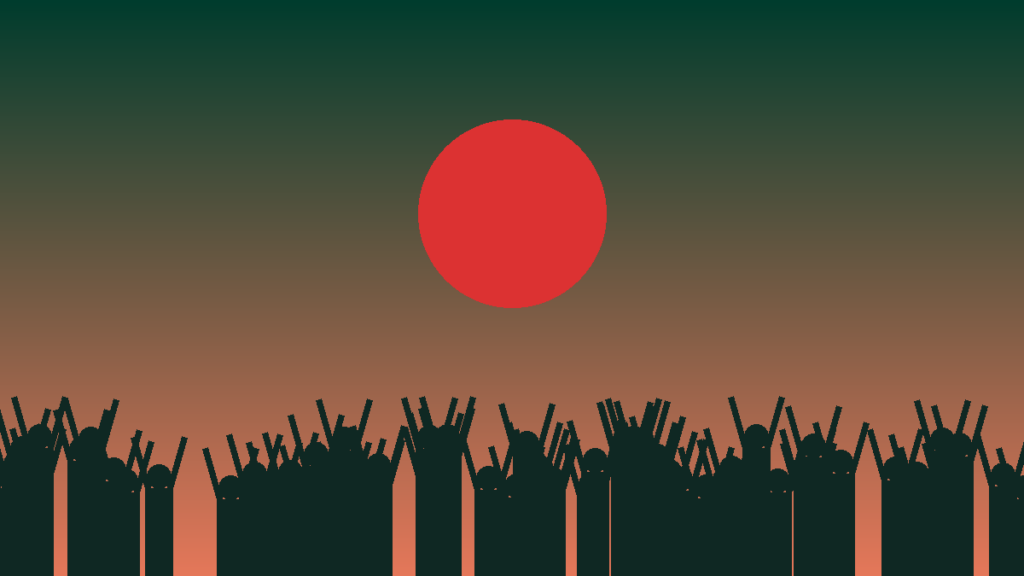
The Bangladesh July uprising reshaped the nation two years ago. Its legacy still dominates public life.
Mass student-led protests forced Prime Minister Sheikh Hasina from office in August 2024. She fled to India. An interim government under Nobel laureate Muhammad Yunus took charge on 8 August 2024.
That caretaker phase has since ended. A general election on 12 February 2026 brought the Bangladesh Nationalist Party to power. Tarique Rahman now serves as prime minister.
What the Bangladesh July uprising achieved
The Bangladesh July uprising promised a cleaner politics. It demanded accountability, fair elections and an end to authoritarian drift. Two years on, citizens are measuring words against results.
Some gains are visible. Power passed through a ballot, not a barracks. A formal declaration set out reform points on the constitution and governance. Civic debate is louder and freer than before.
Yet hard problems remain. Prices still bite ordinary households. Institutions need deep repair. Student activists ask whether their sacrifice produced lasting change or just new faces.
The new government faces a delicate task. It must honour the uprising’s spirit while governing a divided country. Expectations are high, and patience is thin.
Justice is a live issue. Families of the dead want answers. Trials and inquiries move slowly. Trust depends on visible fairness.
The economy will test the leadership most. Jobs, inflation and investment shape daily life. Reform slogans mean little without paychecks.
The anniversary is therefore a checkpoint, not a celebration. The uprising opened a door. Walking through it is the harder part.
Read our coverage of the presidential transition.
Fact basis: reporting from The Diplomat and the Atlantic Council, cross-checked 9 August 2026.