
Bangladesh
India Reopens Tourist Visas for Bangladeshis, but Trust Will Take Longer Than Paperwork
|
Getting your Trinity Audio player ready...
|
The queues came back before the trust did.
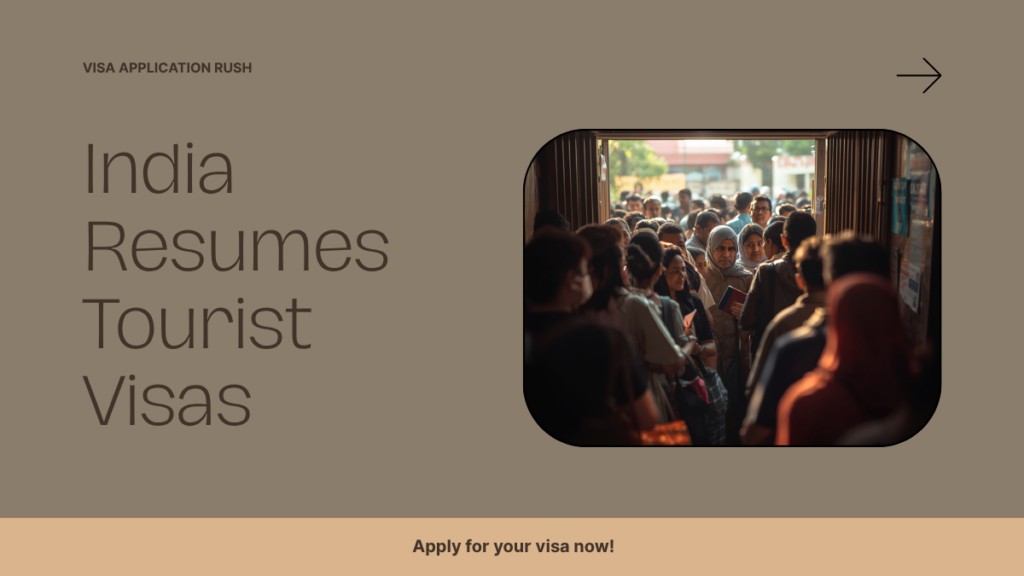
Within days of India reopening tourist visa applications for Bangladeshi citizens on 28 June, visa centres in Dhaka and other cities were crowded again. Families planning medical trips they had postponed for months. Small traders who used to cross the border several times a year. Students, pilgrims, people with relatives on the other side. For nearly two years, all of them had been locked out of a country that sits on three sides of their own.
Indian High Commissioner Dinesh Trivedi announced the decision on 25 June, and applications opened three days later through five centres — Dhaka, Rajshahi, Chittagong, Sylhet and Khulna — with more expected to follow. Urgent medical visas, which India had continued issuing on humanitarian grounds throughout the freeze, remain in place.
It is worth pausing on what was actually lost during those two years.
Before the suspension, Bangladeshis were India’s single largest source of foreign visitors. In the year from April 2023, more than 2.1 million Bangladeshis travelled to India — over a fifth of all foreign tourist arrivals in the country. No other travel relationship in South Asia comes close. By 2025, that number had collapsed to around 470,000, mostly medical and emergency cases. Hospitals in Kolkata and Chennai felt it. Markets in border towns felt it. And millions of ordinary Bangladeshis, who had nothing to do with the political rupture of 2024, felt it most of all.
That is the uncomfortable part of this story. The visa freeze was a political decision, made after the change of government in Dhaka in August 2024, and it was ordinary people who paid for it. Visas became an instrument of diplomatic displeasure. A grandmother needing cataract surgery in Chennai became collateral in a quarrel between states.
So the resumption is welcome. It is also overdue, and it should be seen for what it is: a first step, not a settlement.
The deeper issues between Dhaka and New Delhi have not gone anywhere. Border killings remain unresolved. Water sharing, above all the Teesta, remains stalled. India’s political class still struggles to accept that Bangladesh’s foreign policy — including its growing economic relationship with China — is Dhaka’s sovereign business. And in Dhaka, suspicion of Indian intentions runs deeper today than at any point in a generation.
Nor should anyone pretend the timing is accidental. With an elected government now in place in Dhaka and Bangladesh’s regional options widening, New Delhi has strong reasons to stop punishing the relationship’s most human layer. Restarting tourist visas costs India nothing and buys back goodwill it badly needs.
But goodwill built on queues is fragile. If the centres are slow, if rejections pile up without explanation, if the visa becomes a privilege dangled and withdrawn with each diplomatic mood swing, the resentment will return — sharper than before, because people will remember that this happened once already.
The lesson of the past two years is simple, and both governments would do well to write it down. People-to-people ties are not a tap to be turned off when politicians fall out. They are the one part of the India-Bangladesh relationship that actually works. Two million travellers a year built more connection than fifty years of summits.
The paperwork has resumed. The trust will take longer. It always does.